
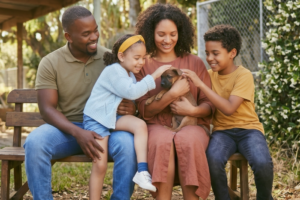
 Your first step toward bringing a child into your family is to understand the florida adoption process. Florida’s adoption laws balance the interests of birth parents and adoptive families. The framework welcomes diverse families whatever their marital status or sexual orientation. You might consider entity adoption, stepparent adoption or relative adoption. Knowing the adoption requirements florida mandates matters. In this piece, we’ll walk you through how does adoption work in florida. This includes pre-placement screenings, legal procedures and finalization, which occurs 90 to 120 days after placement typically. We’ll also explain how to start the adoption process in florida and what the state of florida adoption process entails for South Florida families.
Who Can Adopt Under Florida Adoption Requirements
Married Couples and Single Parents
Florida Statute 63.042 establishes broad eligibility for adoption. A husband and wife may adopt jointly, and an unmarried adult can adopt individually. A married person can also adopt without their spouse joining the petition if the other spouse is already the parent of the child and consents, or if the court excuses the spouse’s participation and with good reason too.
Single parents make up much of adoptive families. Actually, 27.9% of adoptions in the United States go to single individuals. The breakdown shows 24.7% are single women, while 3.2% are single men. Florida law recognizes the value of one-parent families, and the adoption requirements florida imposes on single parents mirror those for married couples. You must complete a home study, prove fitness to adopt, and complete the court proceeding.
Financial stability matters, but you don’t need wealth to qualify. Courts want to see steady income, manageable debt, and overall financial responsibility. Single parents may face additional scrutiny regarding income levels and job flexibility to manage parenting demands alone.
Same-Sex Couples and LGBTQ+ Families
Florida’s ban on gay and lesbian adoption was ruled unconstitutional in 2010. This made Florida the last state in the U.S. to remove this barrier. Governor Rick Scott signed the official repeal into law on June 5, 2015. Hundreds of parents have adopted the children they were raising since 2010, and same-sex couples now have full access to the florida adoption process.
The landmark Obergefell v. Hodges Supreme Court decision in January 2015 legalized same-sex marriage nationwide and opened the door for same-sex couples to pursue stepparent adoptions. Married same-sex couples can use the simplified stepparent adoption process available to all married couples. Legal experts recommend completing a stepparent adoption for lesbian couples where one partner is the biological parent, even if both names appear on the birth certificate. Court-issued adoption judgments provide stronger legal protection than birth certificates alone.
Stepparent and Relative Adoptions
Stepparent adoptions create permanent legal bonds between stepparents and stepchildren. You must be married to the child’s biological parent before filing the adoption petition. No specific marriage duration is required, but courts examine relationship stability. Stepparent adoptions don’t require formal home studies, unlike other adoption types, though background checks remain mandatory. The biological parent being replaced must consent to the adoption or have their parental rights terminated.
Relative adoption operates under simplified procedures when certain criteria are met. Florida law defines a qualifying relative as someone related by blood within the third degree of consanguinity. This has:
-
- Grandparents and great-grandparents
- Adult siblings
- Aunts and uncles
- Nieces and nephews
Great-aunts, great-uncles, and cousins fall within the fourth degree and don’t qualify for simplified kinship adoption. They can still adopt, but the process follows standard non-relative procedures requiring home studies and additional paperwork.
The child must have lived in Florida for at least six months before filing, though no residency requirement exists for the adopting relative. Single relatives may adopt, but married relatives must file jointly with their spouse.
Age and Residency Considerations
You must be at least 18 years old to adopt in Florida, though most sources indicate 21 as the practical minimum. No maximum age limit exists. Courts won’t disqualify you based on advanced age alone, provided you demonstrate knowing how to meet the child’s needs and serve as an effective parent.
Florida doesn’t impose strict residency requirements for adoptive parents, though living in the state simplifies certain procedural steps. The case must still satisfy Florida’s statutory procedures whatever where you live.
More, no person eligible under Florida law can be prohibited from adopting because they possess a physical disability or handicap, unless the court determines the disability renders them incapable of serving as an effective parent. You also can’t be prohibited from adopting because you plan to homeschool the adopted child.
Types of Adoption Processes in Florida
Florida law recognizes four distinct adoption types: entity adoption, stepparent adoption, relative adoption, and adult adoption. Each pathway follows unique procedures. Entity adoptions carry the most extensive requirements.
Private Domestic Infant Adoption
Private domestic infant adoption involves placing newborns or young infants with adoptive families after birth. This adoption type accounts for much of the adoption landscape and requires working through a Florida licensed adoption entity.
The timeline for private domestic infant adoptions ranges from 6 to 24 months based on your flexibility with birth mother priorities. Costs run between $20,000 and $50,000. Florida law permits financial assistance for birth mothers during pregnancy, but all expenses must be documented, court-approved, and transparent to comply with state requirements.
Birth parents and adoptive parents can connect directly through word-of-mouth or social media platforms. Many families now use adoption consultants. These professionals help connect families with multiple agencies. Many Florida agencies rely on consultants to identify waiting families and no longer maintain their own waiting lists.
Foster Care and DCF Adoption
Florida’s foster care system holds about 19,000 children, with around 500 waiting for permanent placement without identified families. The Department of Children and Families serves as the only public child-placing agency in the state.
Working with a community-based care agency means no cost to foster or adopt. Fees through other channels range from $0 to $2,500 if they apply. The entire licensing process takes six to eight months. Foster and adoptive parents must complete training such as the Model Approach to Partnership in Parenting (MAPP) course or the Parent Resource for Information Development and Education (PRIDE) program.
The main goal of foster care remains reunification with biological families. But foster-to-adopt situations exist when parental rights are terminated, either through voluntary surrender or court proceedings.
Agency vs. Attorney-Facilitated Adoption
Florida law restricts who can function as an adoption entity. Only the Department of Children and Families, Florida licensed attorneys or intermediaries, child-placing agencies licensed in Florida, and child-caring agencies licensed in Florida qualify. You must use a Florida agency or a Florida-licensed attorney if you’re adopting a child born in Florida who isn’t related to you.
Adoption agencies handle matching services, conduct home studies, provide counseling, and offer post-placement support. Attorneys focus on legal aspects and cannot provide home study, post-placement, or placement services directly. Both birth parents and adoptive parents receive separate legal counsel. Adoptive parents cover the birth mother’s legal fees.
Agency adoptions involve more hands-on counseling and support services. Attorneys have fewer requirements and offer more flexibility at lower costs. Private or independent adoptions allow direct placement between birth mothers and adoptive parents without agency involvement. This eliminates agency fees while still requiring legal oversight.
All proposed adoptions through private agencies and attorney intermediaries must be reported to the court within two business days of placement.
Pre-Placement Requirements: Home Study and Screening
The Florida Home Study Process
A licensed social worker evaluates your home and family to confirm you can provide a safe environment. The process has a home inspection to assess safety and living conditions, personal interviews with all household members about your motivation to adopt and parenting philosophy, reference checks from people who can speak to your character, and financial and medical reviews.
Stepparent and relative adoptions often proceed with a simpler process and may not need a full home study. State law makes the home study mandatory for others.
The home visit brings scrutiny of safety features. Stairways need gates for toddlers, windows must be child-proof, and doors need secure locks. Swimming pools demand fencing and child-proof gates, possibly pool alarms. The social worker interviews each household member about topics that include parenting philosophy, hobbies, careers, personal history, and childhood.
You’ll need at least five written references. Only one reference may come from an employer and only one from a relative. Other references must come from people who have observed your capacity for parenthood.
Criminal Background Checks and Clearances
All household members over age 12 need background checks. Florida mandates Level 2 background screening through the Florida Department of Law Enforcement and the FBI. You’ll also face child abuse and neglect registry checks for every state you’ve lived in during the past five years, plus sexual predator and offender registry checks.
Grounds that disqualify you include child abuse, abandonment or neglect, drug-related offenses, and violent offenses. Felony convictions within the previous five years for assault, battery, drug-related offenses, or resisting arrest with violence also disqualify you. Convictions in these categories over five years old should not be disqualifying.
A past felony doesn’t prevent adoption automatically. Courts think about the nature of your criminal record and whether it could pose danger to a child.
Medical and Financial Stability Review
You’ll present recent medical statements confirming reasonable health. Florida doesn’t need perfect health, simply assurance that you’re physically and emotionally capable of parenting.
Financial statements confirm you’re stable enough to care for a child’s needs. No specific income threshold exists. Courts look for evidence you can meet basic needs: food, shelter, clothing, medical care, and education.
Adoption Education and Preparation Classes
Private and domestic adoption needs pre-adoption education covering bonding, attachment, and emotional aspects of adoption. Foster care adoption needs completion of MAPP training or an equivalent program covering trauma-informed parenting techniques.
Timeline for Completing Requirements
Home studies take several weeks to a few months. Background checks may take a few additional weeks. Most families finish all requirements within two to four months.
How Does Adoption Work in Florida: The Legal Process
Adoption in Florida becomes final when a judge signs the final judgment and transfers parental rights from biological parents to adoptive parents. The court maintains ultimate authority to ensure the adoption serves the child’s best interests, whatever the level of cooperation among all parties.
Birth Parent Rights and Consent
Birth mothers cannot sign adoption consent until 48 hours after the child’s birth or the day she’s medically discharged from the hospital, whichever comes earlier. Birth fathers may execute consent or an affidavit of nonpaternity at any time after birth.
The birth mother’s consent becomes irrevocable upon signing immediately when the child is six months or younger. It can only be overturned based on fraud or duress. A three-day revocation period applies for children older than six months. Two witnesses must be present when consent is signed, and a notary public must acknowledge it.
Putative Father Registry and Notification
Unmarried biological fathers must register with Florida’s Putative Father Registry to preserve their right to notice and consent. Registration may occur anytime before birth but cannot be filed after a petition to terminate parental rights is submitted. The registry search costs $9.00.
Fathers who fail to register and don’t provide financial support during the pregnancy risk losing parental rights. Unmarried fathers receive a Notice of Intended Adoption Plan giving them 30 days to contest when located.
Placement and Guardianship
Permanent guardianship offers an alternative when reunification or adoption isn’t viable. The child must remain in placement for at least six months, though this reduces to three months if the caregiver is already known. Guardianship assistance payments start at $333.00 monthly per child.
Interstate Compact (ICPC) for Out-of-State Families
ICPC applies when adoptive families and birth states differ. Extensive paperwork must be submitted to both states’ ICPC offices before leaving the sending state. Processing takes 7-10 business days. Families who leave before approval risk jeopardizing the adoption.
The Finalization Process and Life After Adoption
Court Finalization Hearing
The finalization hearing takes place at your local circuit court shortly after placement. We must appear in person, though courts now permit telephonic or Zoom appearances with a notary present to verify our identity. The hearing lasts 30 minutes to an hour.
Florida adoption process requirements state that a favorable final report from our social worker must be filed before the hearing. Our attorney presents testimony and evidence to the judge, who may ask questions about our adoption experience and how the child has adjusted to our family. This moment often becomes a celebration. We can invite family and friends to witness the occasion.
Effects of the Final Adoption Decree
The judge signs the final decree and we assume all parental rights and responsibilities permanently. Our adopted child receives the same legal status as biological children, including equal inheritance rights, as a result of this judgment. Birth parent rights are terminated simultaneously or beforehand.
Getting Your Child’s New Birth Certificate
The court clerk submits a certified statement to the Bureau of Vital Statistics within 30 days after the decree. We pay a $20 fee for the new birth certificate. We receive the amended certificate within four to six weeks for Florida births. The original birth certificate becomes sealed and unavailable. We can apply for our child’s Social Security number and passport then.
Now that you understand the Florida adoption process, you’re ready to take the first step toward expanding your family. The path forward is clear whether you choose private adoption, foster care, or stepparent adoption. Florida’s inclusive laws welcome diverse families, and the process, while detailed, is navigable with proper guidance. Start by connecting with a licensed adoption entity or attorney who can guide you through home studies and legal procedures. The timeline from original application to finalization spans several months, but the reward is worth the wait. Your adopted child will have the same legal rights as biological children and will form a permanent family bond that lasts forever.
We Provide South Florida Adoption Legal Services
Florida family law matters require strong advocacy. Alicia Dixon’s #1 priority is to look out for the safety and well-being of your children. In many cases, what is best for the children is often, in the long run, better for the parents as well.
> Learn More
FAQs
Q1. How long does it take to complete an adoption in Florida? The adoption timeline in Florida typically ranges from 6 to 18 months, depending on the type of adoption you pursue. Private domestic infant adoptions may take 6 to 24 months based on your flexibility with birth parent preferences, while foster care adoptions can take 6 to 8 months for licensing plus additional time for placement and finalization. The finalization hearing usually occurs 90 to 120 days after placement.
Q2. Can single people adopt children in Florida? Yes, single adults can adopt children in Florida. Unmarried individuals account for 27.9% of adoptions in the United States, with single women representing 24.7% and single men 3.2%. Single parents must meet the same requirements as married couples, including completing a home study, passing background checks, and demonstrating financial stability and fitness to parent.
Q3. Are same-sex couples allowed to adopt in Florida? Yes, same-sex couples have full adoption rights in Florida. The state’s ban on gay and lesbian adoption was ruled unconstitutional in 2010, making Florida the last state to remove this barrier. Since then, hundreds of same-sex parents have legally adopted children, and married same-sex couples can use the same streamlined stepparent adoption process available to all married couples.
Q4. When can a birth mother sign adoption consent in Florida? A birth mother cannot legally sign adoption consent until at least 48 hours after the child’s birth or the day she is medically discharged from the hospital, whichever comes earlier. For children six months or younger, the consent becomes irrevocable immediately upon signing and can only be overturned based on fraud or duress.
Q5. Does a physical disability prevent someone from adopting in Florida? No, having a physical disability or handicap does not automatically disqualify you from adopting in Florida. State law prohibits denying adoption solely based on physical disability, unless the court determines the disability renders the person incapable of serving as an effective parent. Courts evaluate each case individually to ensure the prospective parent can meet the child’s needs.
Contact Us (561-853-2214) for a Consultation!
—
 About Dixon Law
 About Dixon Law
The Dixon Law Firm, based in Boynton Beach and proudly serving South Florida, boasts a dedicated legal team specializing in family, divorce, and paternity law. Committed to providing assertive and unwavering representation, the firm understands the sensitive nature of these legal matters and strives to navigate clients through the complexities of family law with empathy and expertise.
> Learn More